
Nonprescription Sunglasses

Everyone should have a good pair of sunglasses. Whether you wear prescription eyeglasses or not, sunglasses are important for every age, race and gender. While sunglasses may be considered a must-have fashion accessory, even more importantly, they play a critical role in protecting your eyes from UV (ultraviolet) and other harmful radiation from the sun. They also shield your eyes from wind, dust and debris that could cause discomfort, dryness or damage.

Sunglasses should be worn in the winter as well as the summer, and they should block 100% of UV rays. That doesn’t mean you have to pay a fortune for your shades. Even inexpensive sunglasses are made with full UV protection now, so take the time to check that the pair you choose really does block the sun’s rays.

Frame Materials

Sunglass frames come in materials like plastics and acetates, wood and other natural materials, and metals such as aluminum, steel or titanium. Before you choose a pair, think about your lifestyle and which material suits you best. If you are active, sturdy and durable frames are a must. If you have sensitive skin, look for a lightweight, hypoallergenic pair that fits comfortably. Choose frames that fit well, look good and block the sun, so you feel comfortable and confident wearing them.

Sunglasses Shapes

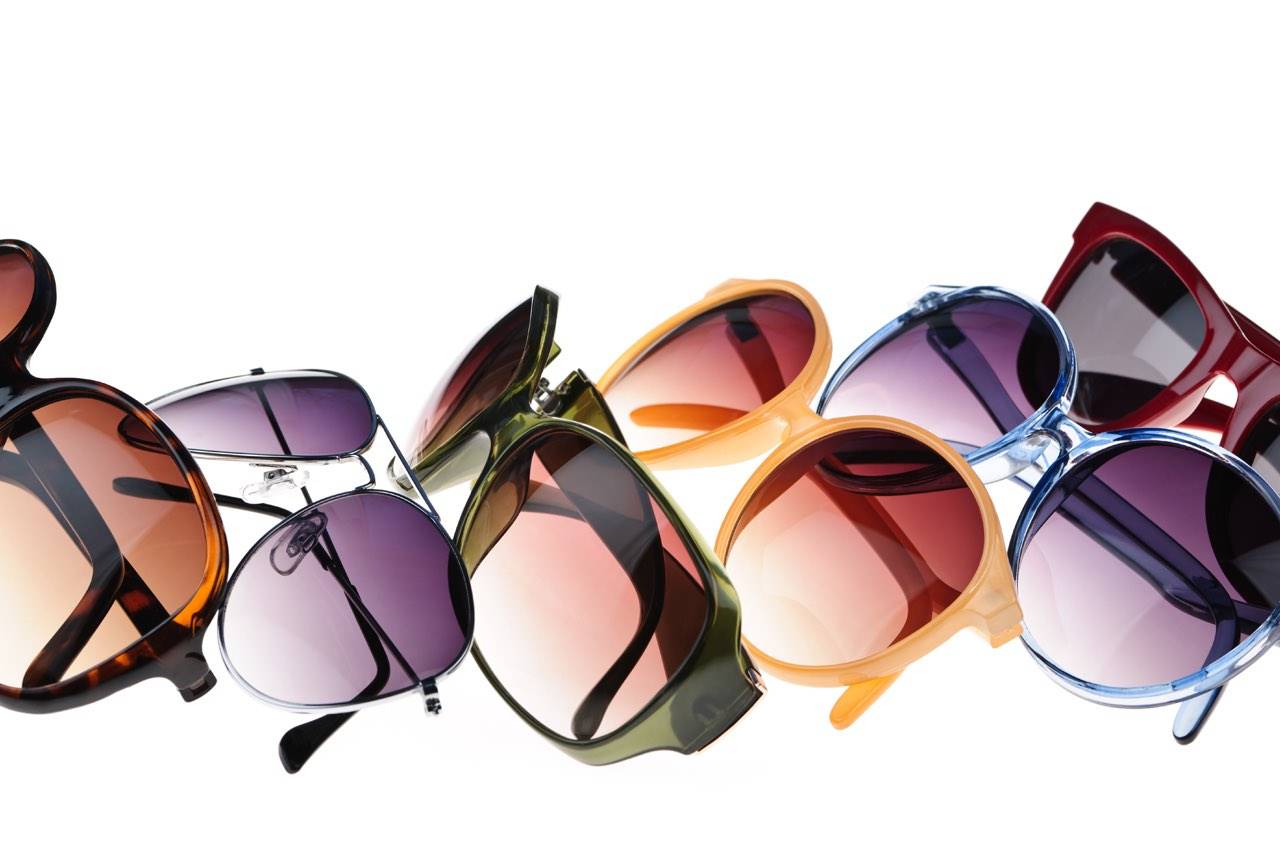
Sunglasses blend function and fashion, so they come in many shapes and styles. They are often larger than eyeglasses to cover more of your face and keep sunlight from entering around the lenses. Fashion sunglasses come in all the latest styles, from aviator to cat eye, round, square and oversized, while sports sunglasses are generally more durable and broad, often in wraparound styles that also keep sunlight from entering from the sides. Wrap-around frames are a good option for athletes, fishermen and bikers who spend a lot of time outdoors in the sun.

Lenses

Lenses are the most important part of any pair of sunglasses. As mentioned above, all lenses should block 100% UV rays but beyond that there are many options for sunglass lenses. Polycarbonate or trivex lenses are impact-resistant to increase safety during sports and outdoor activities. Polarized lenses help to reduce glare and are particularly helpful during activities on or near the water such as boating, fishing or beaching. Anti-glare and anti-scratch coatings are also beneficial to maintain your best vision in a variety of conditions.

For the fashion conscious, sunglass lenses come in many colors and reflective coatings. It’s best to choose lenses that give you accurate color vision and as little distortion as possible, so they don’t blur what you see.

Style matters, but so do comfort and fit. Here are a few tips for buying sunglasses that fit well for maximum comfort and sun protection:

  1. Make sure the lenses completely cover your eyes and provide extra coverage above and to the sides.
  2. The frames shouldn’t pinch at your temples or the nosepiece and should be wide enough for your face.
  3. Make sure the frames aren’t too wide and stay in place when you move your head.

Sunglasses for Prescription Eyeglass Users

If you wear prescription eyeglasses there are a number of options for sun protection. These options include prescription sunglasses, photochromic lenses (which turn from clear lenses to dark when you go outside), clip-ons, fitovers (which are sunglasses that go over your prescription eyewear) or wearing contact lenses with plano (non-prescription) sunglasses. Speak to your optician to determine the best option for you.

We are a proud distributor of Maui Jim: “The Sun Will Guide Us”

Not sure which sunglasses are right for you? Call (408) 272-7200 to talk with the team at Berryessa Optometry, or request an appointment online.

Request an Appointment