Sunglasses for Kids

Why Children Need Sun Protection

Many parents don’t know how important sunglasses are for children, and don’t push them to wear a pair, especially given how much effort it takes to encourage a child to wear them and take care of them. But studies show that children spend so much time outdoors in the sunshine that by age 18, our eyes and body have absorbed half of our lifetime ultraviolet radiation (UV) exposure. That makes sunglasses and proper UV protection even more important for children.

Short Term Risks of UV Exposure

Risks to children’s eyes from too much sun can be short term and long term. Short term risks include photokeratitis, also known as “snow blindness,” which is essentially a sunburn of the eye. Photokeratitis can cause temporary vision loss for up to 48 hours. Pterygium is another condition, also called “surfer’s eye,” which causes an itchy, swollen growth to form on the surface of the eye. Pterygium often requires surgery to remove.

Long Term UV Damage

Long term UV damage is a known risk factor for a number of eye diseases, including cataracts (a clouding of the lens of the eye that causes vision loss) and age-related macular degeneration, which also causes permanent vision loss and low vision, as well as cancer of the eye, eyelid or the skin around the eye. Sunglasses with wide or wrap-around lenses protect not only your eyes, but also the area around your eyes. Because these diseases can be caused by UV exposure that builds up over a lifetime, it helps to start early, by getting children in the habit of wearing sunglasses when they are outside.

Choosing Sunglasses for Children

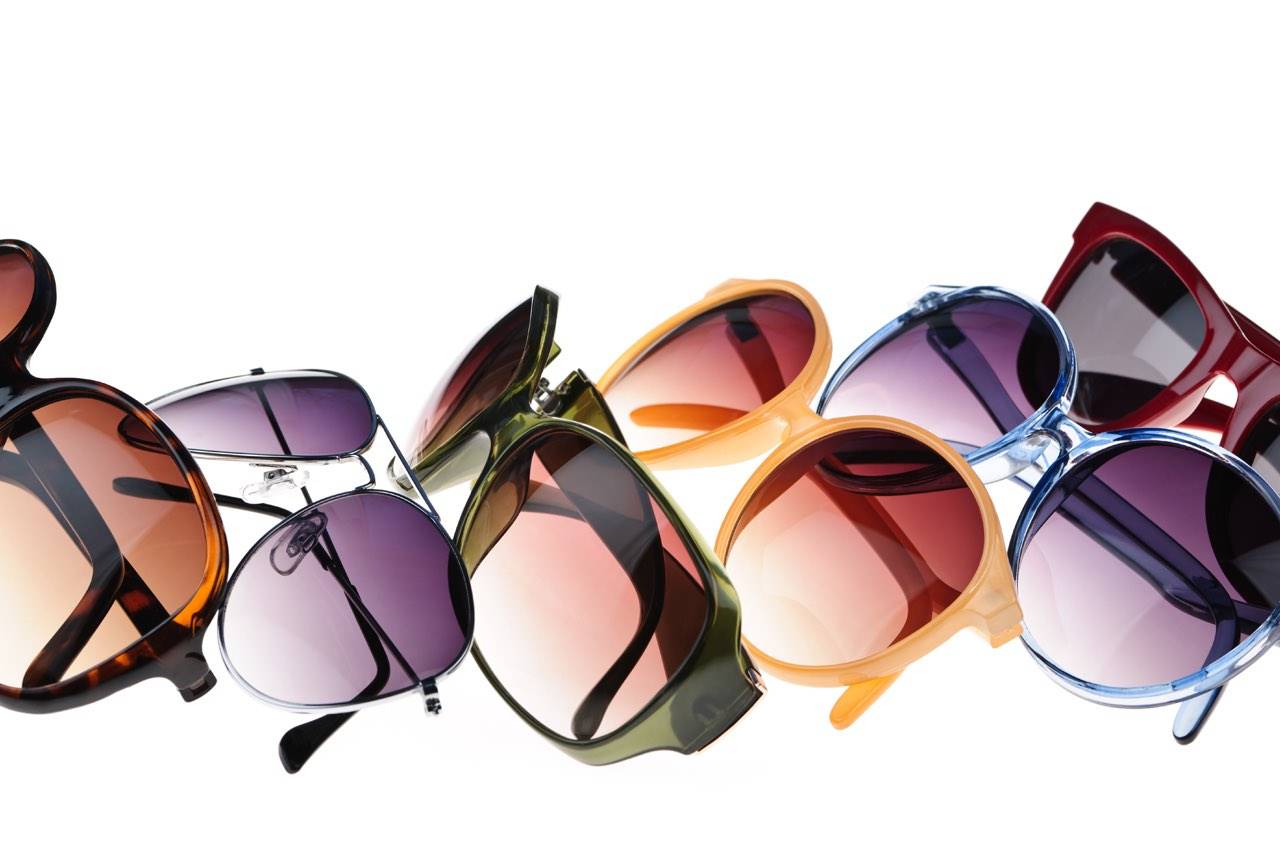
Quality sunglasses for children are easy to find, once you know what to look for. First, make sure the lenses block 100% of UVA and UVB rays, up to 400 nanometers. You also want frames that cover as much of the eye and the surrounding area as possible. Many frames come with a band to hold the sunglasses in place and prevent loss. You may also choose polycarbonate or Trivex lenses, which are more durable and impact resistant, which helps with active kids.

Children who already wear eyeglasses can consider photochromic lenses (which darken in response to sunlight), which gives them two pairs of glasses in one. With photochromic lenses, you don’t have to worry about your children switching or misplacing glasses when they go in or outdoors.

As with any glasses purchase, ask your optician about the policy for lost or broken sunglasses. Get a strong storage case, and talk with your child about the best ways to keep the sunglasses safe.

Lastly, let your child help choose the sunglasses. Any child will be more enthusiastic about wearing shades they picked out themselves.

We are a proud distributor of Maui Jim: “The Sun Will Guide Us”

Have questions about sunglasses for your child? Call (408) 272-7200 to talk with the team at Berryessa Optometry, or request an appointment online.

Request an Appointment