
Astigmatism
A common vision problem that can be corrected with eyeglasses, contact lenses or refractive surgery.
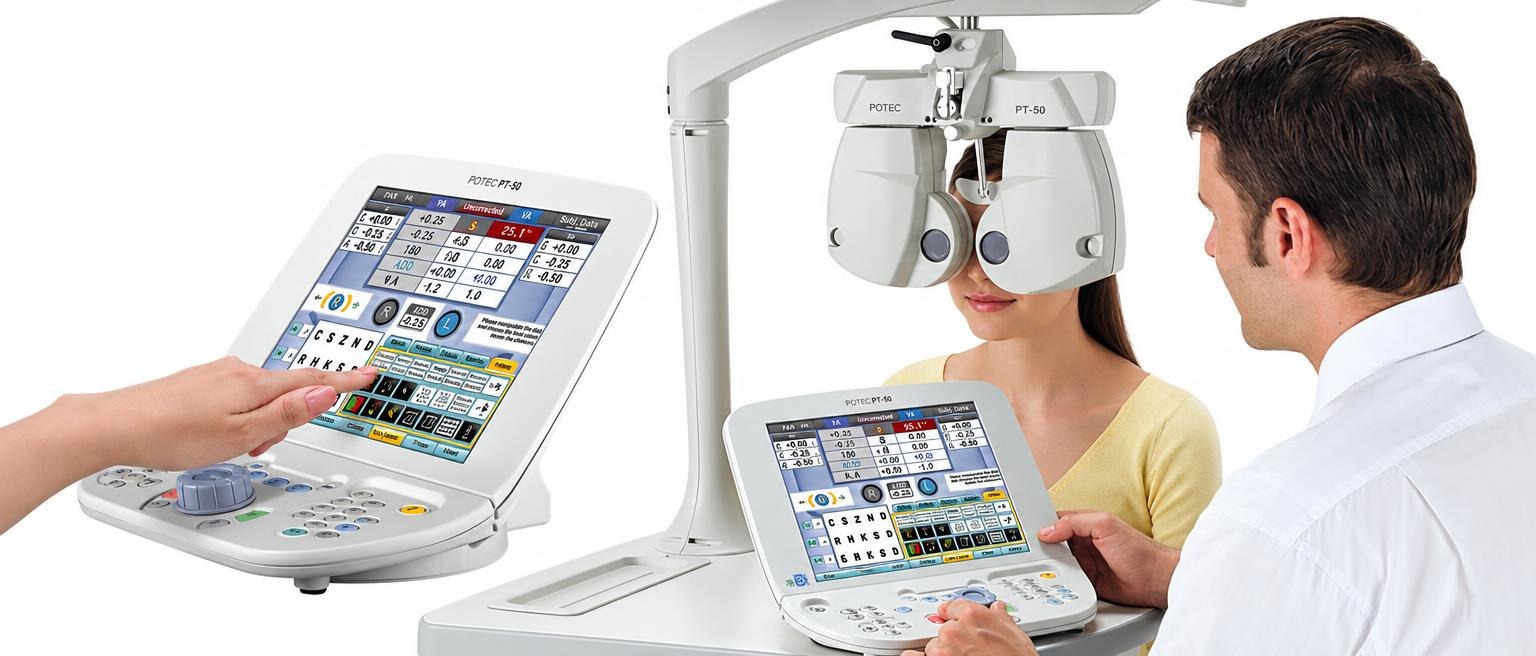
Keratoconus is a rare, progressive disease that affects the cornea, the clear, transparent layer at the front of the eye. With keratoconus the cornea thins and bulges into a cone shape, distorting vision, but there are more treatment options today than ever before.
The cornea is responsible for focusing the light that comes into your eye onto the retina for clear, sharp vision. Keratoconus causes the corneal tissue to thin out and bulge into a cone-like shape which deflects the light entering the eye and distorts vision.
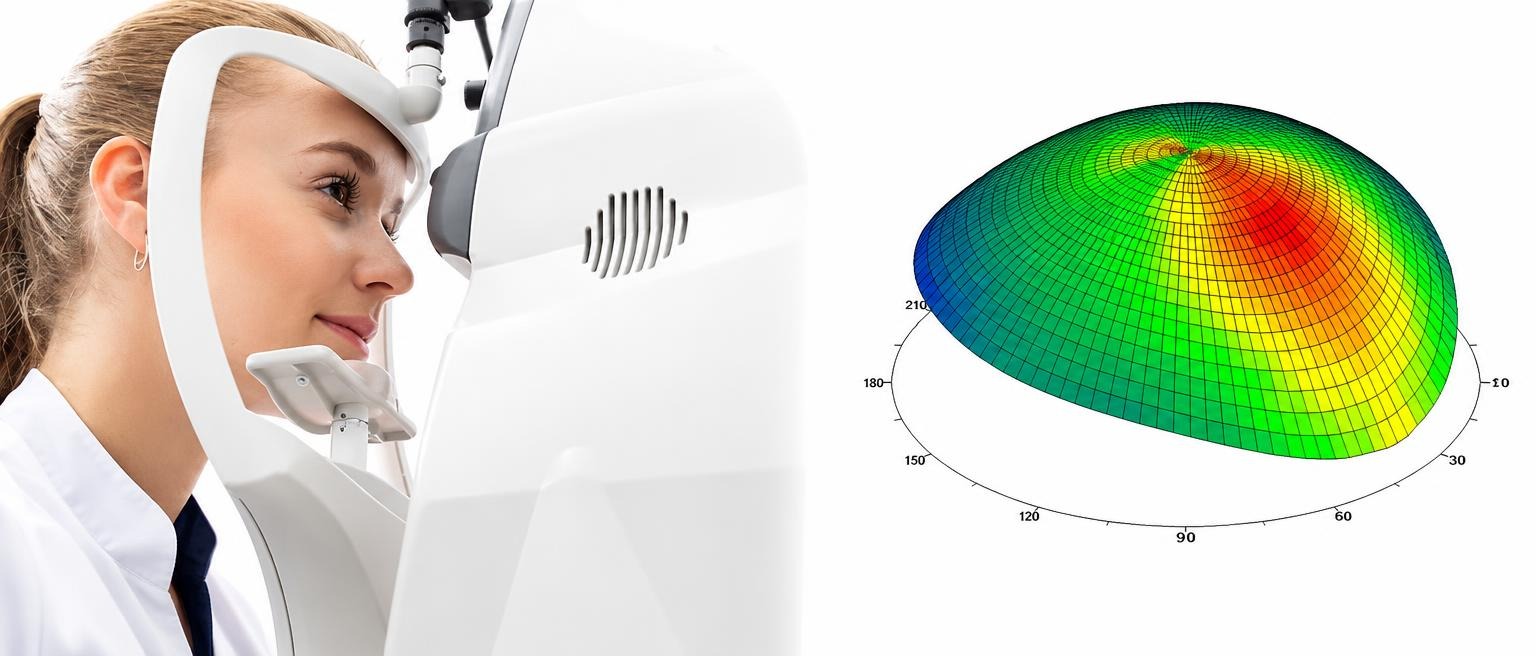
The exact cause of keratoconus is not known. The disease usually starts to appear in the late teens or twenties and can affect one or both eyes, usually progressing at a slow pace and slowing or stabilizing after around 10–20 years. It is believed that there is a genetic component, as often it runs in families.
New research suggests that there may be a link between keratoconus and oxidative damage which weakens the cornea. There is also an association with overexposure to ultraviolet (UV) radiation from the sun and chronic eye irritation.
With the gradual change in the shape of the cornea, vision becomes progressively worse. The patient may experience nearsightedness, astigmatism, distorted vision (straight lines look wavy), blurry vision, light sensitivity and glare, and eye redness or swelling. Typically, a patient’s eyeglass prescription will change often as the vision becomes worse, and contact lenses will be difficult to wear due to discomfort and improper fit.
When keratoconus becomes more severe, the cornea can begin to swell and form scar tissue. This usually takes a long time, though it can sometimes happen quickly. The scar tissue can cause even more visual distortion and blurred vision.
If you notice any of these changes, an eye exam is the first step. Our optometrists at Berryessa Optometry can measure your cornea, monitor changes over time and recommend the treatment that fits your eyes.
In the early stages of the disease, standard eyeglasses and soft contact lenses will usually correct the nearsightedness and astigmatism experienced by the patient. As the disease progresses, however, glasses and soft contact lenses may no longer correct vision and soft lenses may become uncomfortable. This is when other forms of vision correction will be recommended.
At the more advanced stage of keratoconus, rigid gas permeable (RGP) contact lenses, scleral or semi-scleral lenses may be used for increased comfort and visual acuity. Since they are more rigid, RGP and scleral lenses are able to create a smooth, round shape around the cornea, creating a smoother surface for better vision.
Scleral or semi-scleral lenses have a larger diameter which covers the entire cornea and reaches over into the white part of the eye, which is known as the sclera. Many patients find these more comfortable than regular RGPs and find that they move around less when the eyes move. The main disadvantage of these rigid lenses is that for some they are somewhat less comfortable than soft lenses, and they must be continually refit as the shape of the eye changes.
Whether it is glasses or contact lenses being used to correct vision, patients will likely have to undergo many tests and prescription changes as their vision needs change.
Contact lenses for the hard-to-fit patient · Learn about scleral lenses
Intacs are small, surgically implanted plastic inserts which are placed on the cornea to flatten it back to shape. Usually they are able to restore clear vision, with the continued use of glasses. Intacs are often recommended when contact lenses and eyeglasses are no longer able to correct vision adequately. Intacs take about 10 minutes to insert and can delay the need for corneal transplant.
In corneal crosslinking, a UV light and eye drops are used to strengthen and stiffen the cornea, which helps to reduce bulging and restore the cornea to its natural shape.
When corneal scarring occurs and eyeglasses and contact lenses no longer help, doctors may suggest a corneal transplant to replace the cornea with healthy donor tissue to restore vision. Most patients will still require eyeglasses or contact lenses for clear vision following the transplant. Read more about corneal transplant.
Keratoconus needs ongoing care from an eye doctor who knows your eyes. If you or a loved one has keratoconus, find an optometrist you like and trust, and plan on regular visits to keep the condition under control.
A common vision problem that can be corrected with eyeglasses, contact lenses or refractive surgery.
When the cornea is scarred or damaged, donor tissue can restore sight for many patients.
A clouding of the eye’s lens that develops with age and blurs vision over time.
Commonly called “lazy eye,” amblyopia can be treated successfully if detected early enough in childhood.
An inflammation of the eyelids that causes redness, crusting and irritation.
Browse the full list of eye conditions and what they mean for your vision.
We are a proud distributor of Maui Jim: “The Sun Will Guide Us”
Concerned about changes in your vision or a cornea that keeps changing shape? Call (408) 272-7200 to book a comprehensive eye exam with the optometrists at Berryessa Optometry, or request an appointment online.
