Macular Degeneration
This age-related problem is the leading cause of vision loss and blindness in Americans age 65 and older.
Usually cataracts develop slowly over time, so your vision gradually worsens. Most cataracts are a result of the aging process, but other types exist too: congenital cataracts present at birth, secondary cataracts that result from eye surgery or diseases such as glaucoma or diabetes, and traumatic cataracts that result at any age from an injury to the eye.
While you may be able to live with mild or moderate cataracts, severe cataracts are treated with surgery. The procedure removes the clouded lens and replaces it with an intraocular lens (IOL) implant. Cataract surgery is a common procedure, and for most patients it restores clearer vision. Modern cataract surgery is frequently done as an outpatient procedure. Vision improves greatly the next day and continues to improve over the following weeks. Surgery is often done in one eye first, and surgery on the second eye, if needed, may be done 2 weeks later.
Here is more on the specifics of cataracts:
This age-related problem is the leading cause of vision loss and blindness in Americans age 65 and older.
If undetected or uncontrolled with medication, diabetes can cause serious vision loss, even blindness.
Commonly called “lazy eye,” amblyopia can be treated successfully if detected early enough in childhood.
You’ve heard of high blood pressure, but what about high eye pressure?
“Floaters” are usually normal and harmless. But if you notice a sudden increase in floaters or floaters accompanied by flashes of light, see your eye doctor immediately.
Browse the full list of eye conditions and what they mean for your vision.

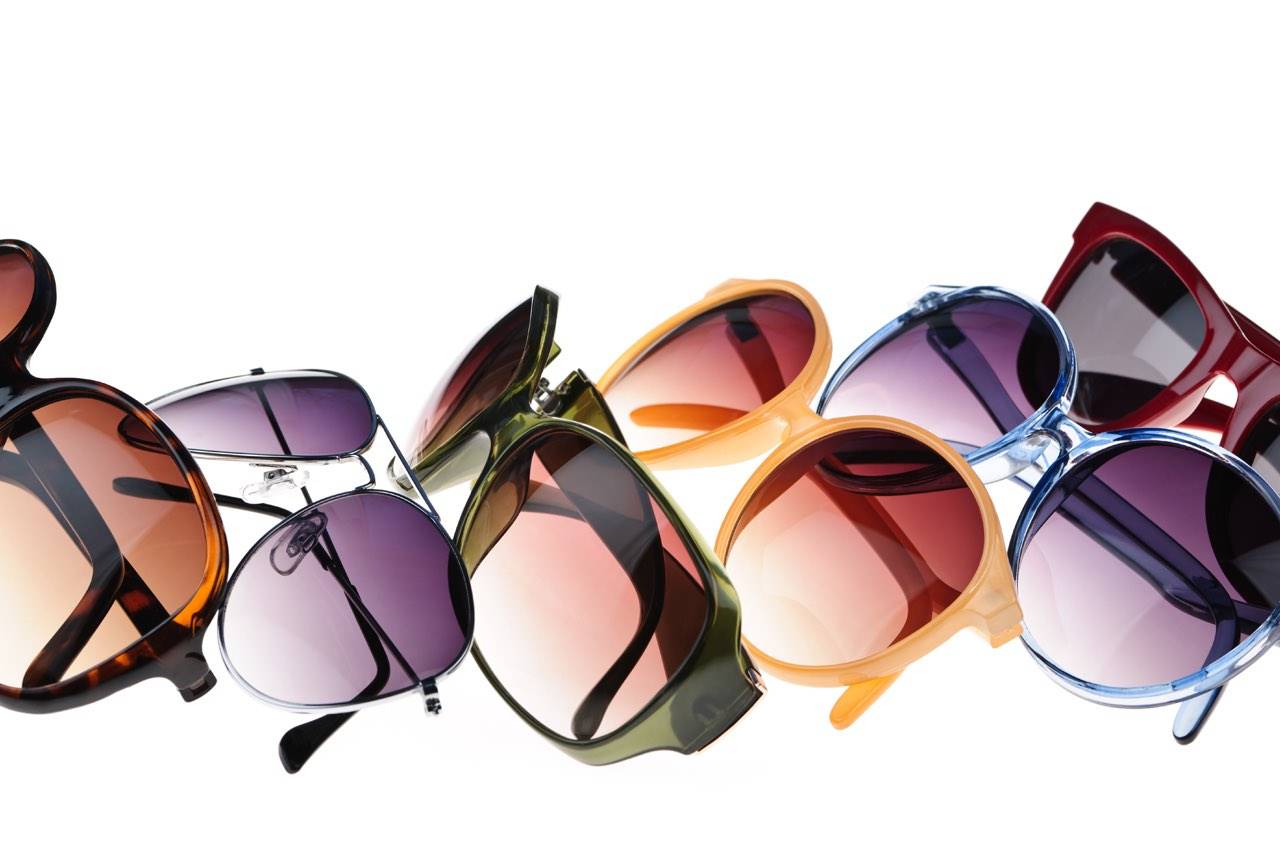
We are a proud distributor of Maui Jim: “The Sun Will Guide Us”
Noticing blurry or cloudy vision? Call (408) 272-7200 to book a comprehensive eye exam with the optometrists at Berryessa Optometry, or request an appointment online.
