Sports Vision
To excel in most sports, you need more than just 20/20 eyesight. Learn how a sports vision specialist can help.
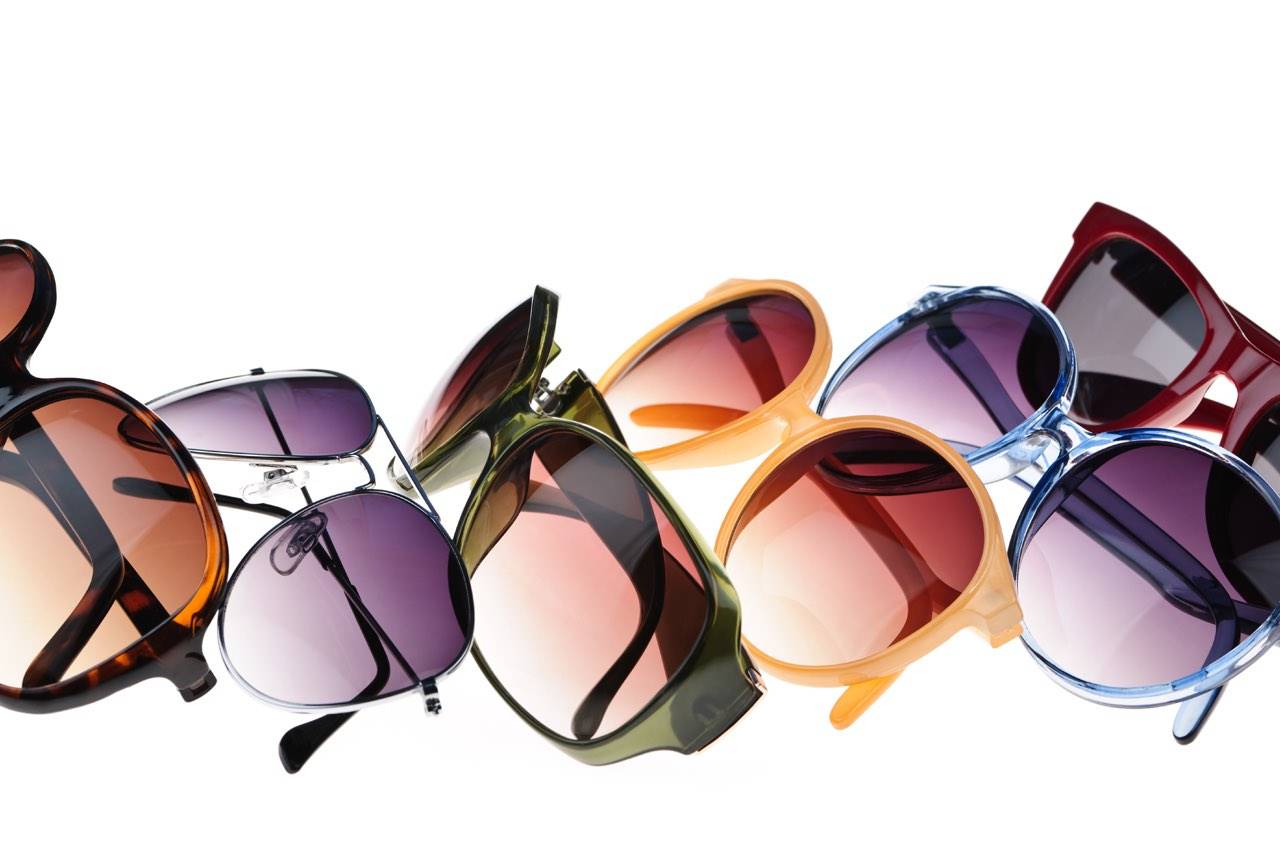
Another danger during outdoor sports, even in winter, is ultraviolet (UV) radiation from the sun. Too much exposure to UV rays has been linked to eye diseases such as cataracts and ocular tumors. You can also get a “sunburn” on your eye, called photokeratitis, which is very painful and can cause long-term damage to the cornea (the clear front surface of the eye).
Skiers should always wear tinted goggles or sports sunglasses that block 100% of the sun’s UV rays, since these harmful rays are stronger at higher altitudes. UV also bounces off snow, even on cloudy days, which adds to your exposure. Anyone taking part in outdoor water sports also needs UV protection, since UV rays reflect off bodies of water.
Some contact lenses offer UV protection. However, since contact lenses cover only the center part of your eye and can’t do anything for uncovered areas, you should still wear UV-blocking sunglasses, ideally with a close-fitting, wraparound style. Wide-brimmed hats also help reduce exposure of your eyes and face to UV rays.
In some lighting conditions, “keeping your eye on the ball” is not as easy as it sounds. Sports eyewear with special tints can help. Amber-colored “shooting glasses” are popular with hunters because they increase the contrast of birds, clay pigeons and other targets against an overcast sky. In recent years, several lens manufacturers have created special tints for sports sunglasses that improve visibility in many indoor and outdoor lighting conditions. Your eye doctor or professional optician can show you samples of these lenses and help you decide which tints suit your needs.
Polarized sports sunglasses reduce glare from reflective surfaces, making them extremely beneficial for fishing and other water sports. They can also reduce glare from sunlight reflecting off a sandy beach or light-colored pavement, such as an outdoor basketball court.
Anti-reflective (AR) coating is another glare reducer. AR-coated sports glasses reduce lens reflections at night if you’re playing under bright lights. AR coating is also a good idea for the back surface of sport sunglasses. It reduces glare from “bounce-back” reflections that occur when sunlight hits the back of your lenses.
Photochromic lenses are another way to control light for the best visibility and performance. These lenses darken automatically outdoors in response to UV rays from the sun. They reduce the intensity of light reaching your eyes to a more comfortable level, and provide 100% UV protection at the same time.
Many people wear contact lenses for sports, even if they prefer glasses at work and for other daily activities. Contact lenses offer unobstructed peripheral vision and more natural vision, with none of the unwanted changes in image size that glasses can sometimes produce.
One-day disposable soft contact lenses are a great option for sports, because they don’t need cleaning. You wear them once, then throw them away. That makes them especially appealing if you normally wear glasses.
And because they are made of a soft, oxygen-permeable material, one-day soft lenses require little or no adaptation. So even if you haven’t worn contact lenses for a week or longer, you can usually wear a pair of one-day disposable lenses comfortably for a full day of sports or other activities.
Remember, though contact lenses offer visual and other advantages over glasses for sports (you don’t have to worry about them fogging up or falling off when you’re perspiring, for example), you still need to wear protective eyewear over them to protect your eyes from injuries and UV damage.
To excel in most sports, you need more than just 20/20 eyesight. Learn how a sports vision specialist can help.
Protective sports eyewear helps guard your eyes while you play, and there are choices for kids as well as adults.
To excel in most sports, you need more than just 20/20 eyesight. A sports vision specialist can help you tune up other visual skills that are important as well.
The proper sports eyewear will help you see as clearly in the pool and underwater as you do on dry ground.
Good vision is critical when hunting or using a firearm, so look for the right features when buying “shooting glasses.”
Explore prescription and nonprescription sunglasses, including performance and sport styles for every activity.
We are a proud distributor of Maui Jim: “The Sun Will Guide Us”
Ready to see the ball more clearly and play with confidence? Call (408) 272-7200 or request an appointment with Berryessa Optometry in San Jose, CA.
