The Basics of Eyeglasses

Glasses are more popular than ever, even with the wide availability of contact lenses and laser surgery for vision correction. The range of attractive frames and designer styles on display is a big reason more people are choosing glasses. Frame materials have come a long way, and many high-profile designer labels come in new plastics and premium metals.

The frame material that’s best for you depends on your needs. If you need protective or safety eyewear, an extra-durable plastic such as zyl is a good choice. For skin allergies, hypoallergenic metals such as stainless steel or titanium work well. An active lifestyle suits metal alloys that are highly flexible and break-resistant. Children’s glasses often have spring hinges, which add resilience and reduce the risk of breaks on the playground or sports field.

Eyewear Styles

Glasses do more than correct your vision. With so many styles to choose from, eyewear is also an accessory you can change to match your wardrobe. When you choose your glasses, your appearance, lifestyle and taste matter.

Frames with designer emblems, multi-colored inlays or sparkling insets of crystals or precious stones are easy to find. Glasses made from composite materials are another appealing option. For a minimalist, understated look, choose rimless styles, which attach metal or plastic temples directly to the lenses.

All About Lenses

Once you’ve picked your favorite frames, it’s time to consider the lenses that best suit your vision needs. Lens technology has advanced a lot in recent years, with many high-quality options and benefits. It helps to know the types of lenses available:

  • Aspheric lenses boast a slimmer, sleeker profile than other lenses. The bulbous “bug-eye” look of some prescriptions is eliminated.
  • High index lenses are composed of progressive materials that craft extremely thin and lightweight plastic lenses.
  • Wavefront technology lenses give you very clear vision. They are custom-made using precise measurements of the path light travels through your eyes.
  • Polycarbonate or Trivex lenses are ideal for children’s eyeglasses and safety eyewear. They are super-thin, very light, and up to 10 times more impact resistant than standard plastic eyeglass lenses.
  • Photochromic lenses respond to the sun’s UV rays and darken quickly in bright settings. When in ordinary indoor lighting, they return rapidly to a clear, non-tinted state. Photochromic lenses block 100% of UV rays.
  • Polarized lenses reduce reflective glare from flat, shiny surfaces (such as water or snow). They also help to decrease eye fatigue.
  • Anti-reflective coatings can greatly improve the appearance and comfort of your glasses by limiting the amount of light that bounces off your lenses. These popular add-ons reduce glare and help relieve eye fatigue.
  • Lens coatings, such as ultraviolet treatment, scratch-resistant surfaces and mirror coatings, are some optional features that many people choose.

Eyeglasses for Presbyopia

After age 40, a normal loss of your ability to focus on nearby objects often occurs. Called presbyopia, this common vision change makes reading and other close-up tasks harder. Your natural eyesight or single vision lenses may no longer give you sharp vision, and you may need specialized lenses to correct presbyopia. Your options include:

  • Bifocals: These lenses have two powers, one for seeing close and one for seeing far, separated by a visible line.
  • Trifocals: With three powers for viewing varying distances (close, intermediate and far), two visible lines separate the respective parts of the lenses.
  • Progressive lenses: These lenses enable vision at many different distances, not only two or three. With no dividing lines, progressive lenses create a smooth transition from viewing one distance to the next.
  • Variable focus lenses: These multifocal lenses give you a wider field of view than conventional bifocals, progressives and trifocals. They can be adjusted to give you the power you need for different tasks.
  • Reading glasses: If you have no trouble with farsighted vision, these simple glasses with single vision lenses may be enough to help with the nearsighted problems caused by presbyopia.

More About Eyeglasses

Eyeglass Frame Materials

Which frame material is right for you? Learn about the different types of metal and plastic, and the advantages of each.
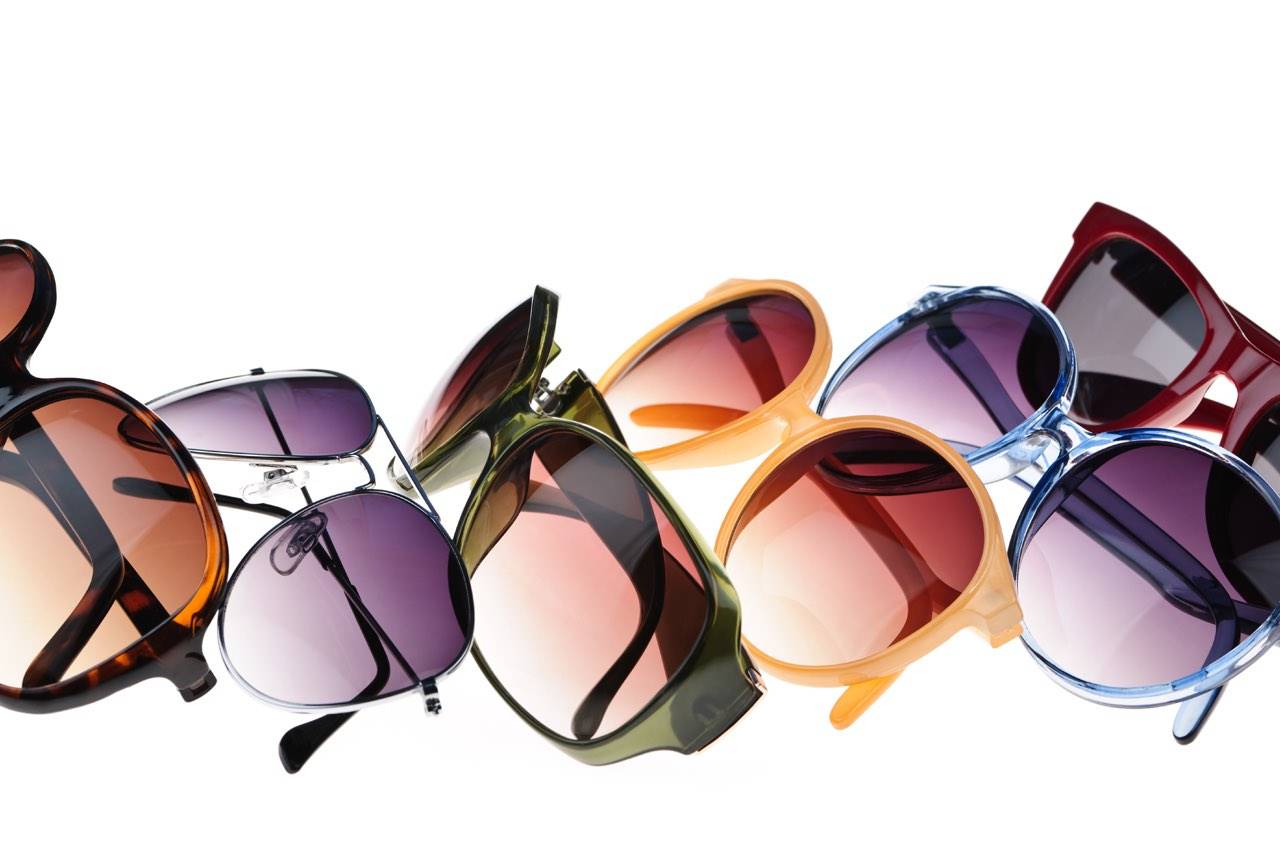
Lens Options for Eyeglasses

It’s no longer a simple choice between glass and plastic. Today’s lenses offer many options to help you see and look your best.

Specialty Eyewear

One pair of glasses won’t suit your every need. Learn about how function-specific eyewear can help with driving and computer use, improve your game and protect your eyes at work and play.

We are a proud distributor of Maui Jim: “The Sun Will Guide Us”

Ready for new glasses? Call (408) 272-7200 or request an appointment online and our opticians at Berryessa Optometry will help you choose frames and lenses you will love.

Request an Appointment