
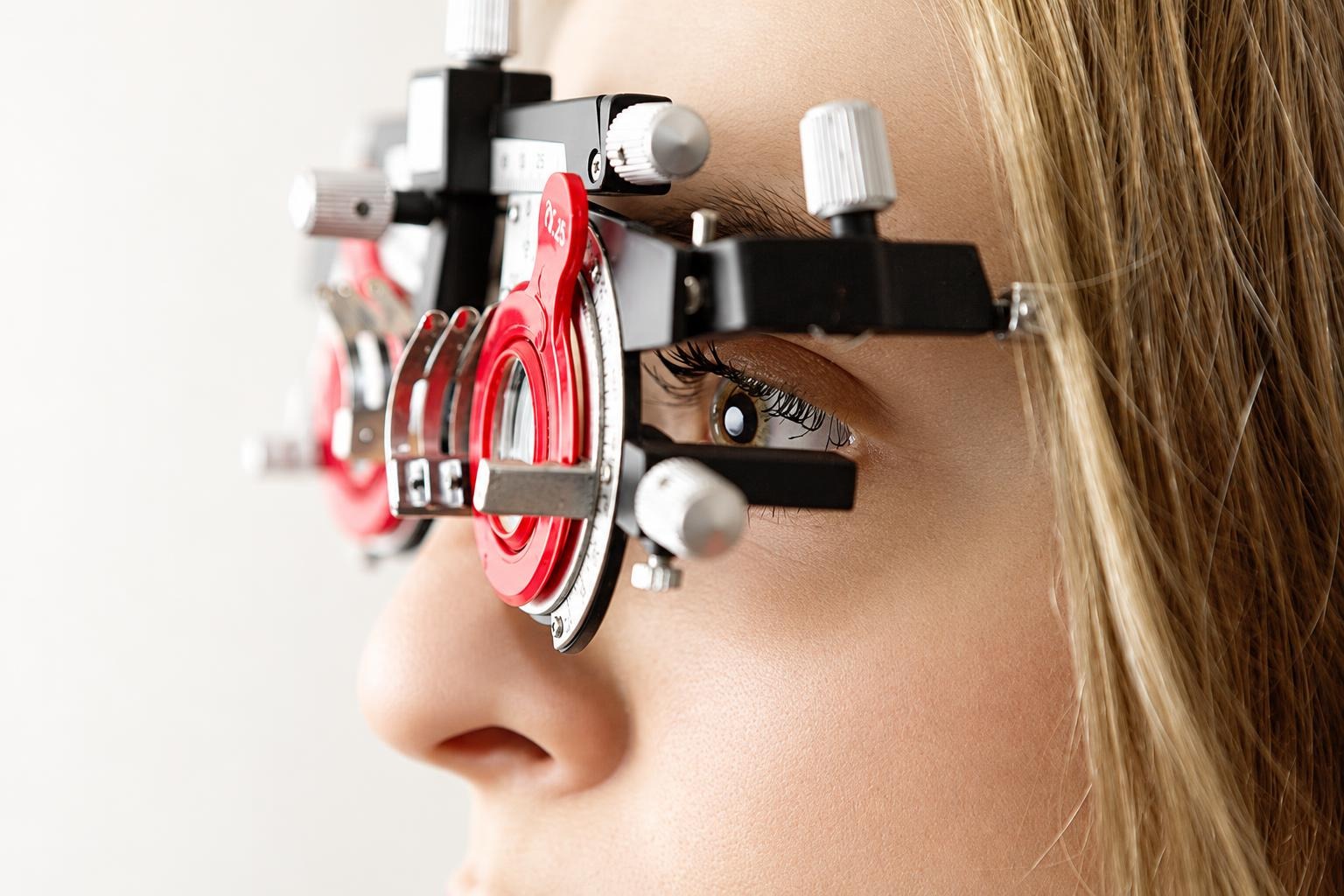
Preparing for an Eye Exam

For adults and children alike, an eye exam is an important part of staying healthy, so regular exams belong in your health routine. A comprehensive eye exam checks your vision and the health of your eyes, looking for early signs of disease that may not have obvious symptoms. Don’t wait for a vision problem or symptoms of an eye condition before you schedule one.

Depending on your age, family history, general health and eye health, most people should have an eye exam every one to two years. Of course, if you have serious symptoms that affect your eyes or your vision, contact your eye doctor right away.

The Difference Between an Optometrist (OD) and an Ophthalmologist (MD or DO)

Confusion about the difference between optometrists and ophthalmologists is common, and many people are not aware of how the two eye care professionals differ.

Optometrists

Optometrists, or Doctors of Optometry, attend optometry school, which is usually at least four years of graduate-level training. They can perform eye exams, write prescriptions for eyeglasses and contact lenses, and diagnose and treat eye diseases such as glaucoma, dry eyes or eye infections that need medication or drops. They can consult on and co-manage patients before and after surgery, but they do not perform surgery.

Ophthalmologists

Ophthalmologists are medical doctors who attend medical school and later specialize in ophthalmology. They can do everything an optometrist can, and they also perform eye surgeries such as cataract surgery and refractive surgery such as LASIK, and handle urgent conditions such as retinal detachment.

Infant and Child Eye Exams

According to the American Optometric Association (AOA), children should have their eyes examined by an eye doctor at 6 months, 3 years, at the start of school and then at least every 2 years after that. If there are any signs of a vision problem, or if your child has certain risk factors (such as developmental delays, premature birth, crossed eyes, family history or previous injuries), more frequent exams are recommended. A child who wears eyeglasses or contact lenses should have their eyes examined yearly.

Adult Eye Exams

Healthy adults under 40 with good vision who do not wear eyeglasses or contact lenses should have an eye exam at least every two years. If you do use vision correction, or you have a health condition such as diabetes or high blood pressure that can affect your eye health, schedule a yearly exam unless your eye doctor recommends more frequent visits.

Once you reach 40, you become susceptible to a number of age-related eye conditions such as presbyopia, cataracts or macular degeneration, so annual or bi-annual exams are strongly recommended.

As you continue to age, particularly after age 55, the risks of eye disease increase, and early detection can be critical to preventing significant vision loss or blindness. Scheduling a yearly eye exam can make all the difference in maintaining your independence and quality of life.

How to Prepare for Your Exam

Before your exam, decide whether you need special services such as a contact lens exam or a LASIK consultation. These services may cost extra, so check with the doctor’s office or your insurance provider to see what they cover.

You need to know if you have medical insurance, vision plan coverage, or both. Medical insurance usually does not cover “wellness/refractive” exams for glasses or contact lenses. Vision plans cover exams for glasses or contacts, but usually cannot be used for red eyes, floaters or other medical eye health problems. Please bring your insurance cards with you.

Bring These to Your Visit

  • Your current pair of glasses or contacts, if applicable
  • A list of medications or supplements you are currently taking
  • Your personal and family history of eye and health conditions
  • Your medical and vision insurance cards

Your pupils will probably be dilated as part of your exam, so plan accordingly.

We are a proud distributor of Maui Jim: “The Sun Will Guide Us”

Ready to book your next eye exam? Call (408) 272-7200 to schedule with the optometrists at Berryessa Optometry, or request an appointment online.

Request an appointment